


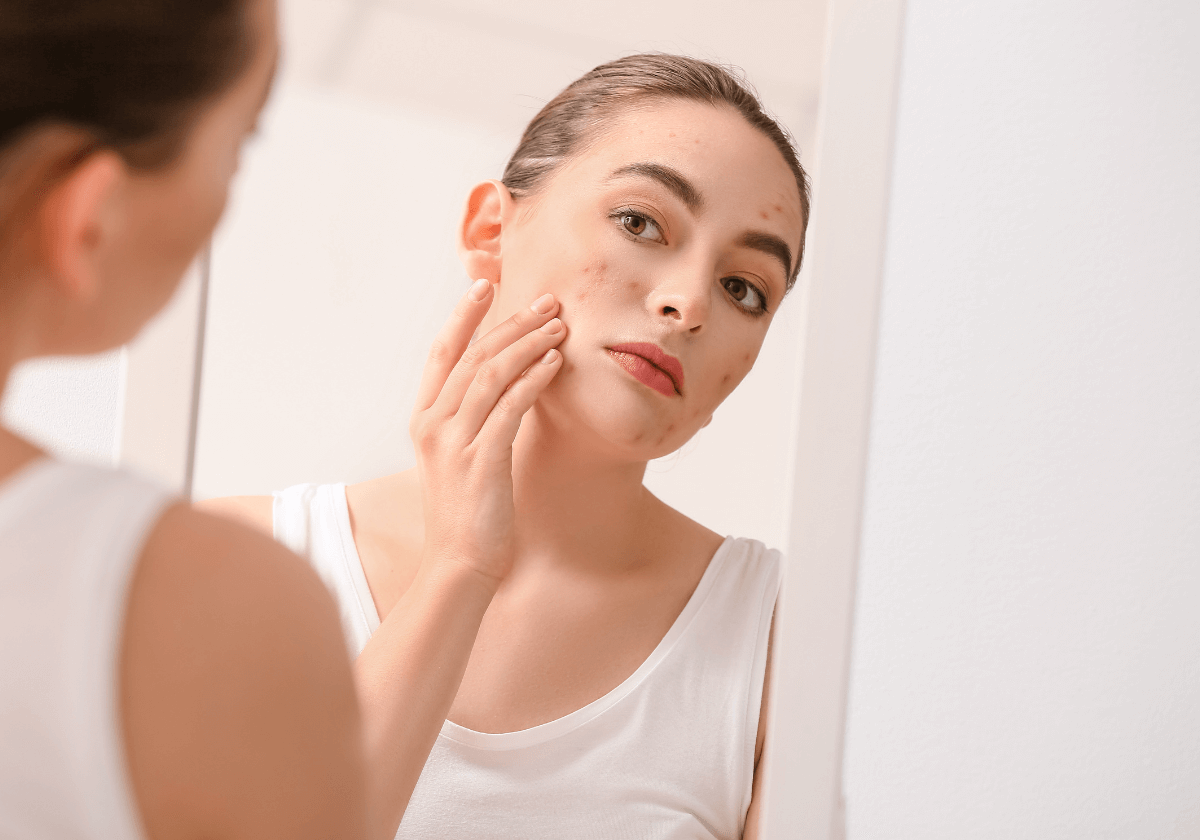
We can still blame our skin issues for other causes if we clean our skin with “unclean” water or if we don’t notice any changes in our skin right away, but what about in the long run? Can our skin issues like acne be brought on by the quality of the tap water? The reply is yes.
Related: Why You Should Stop Using Tap Water to Clean Your Face
In order to ensure the safety of swimming pools and eliminate bacteria and viruses, chlorine is a commonly used sanitizer. It is obviously incorrect for some people to believe that bacteria are the main cause of acne and that the sterilizing substance is therefore good for acne prone skin.
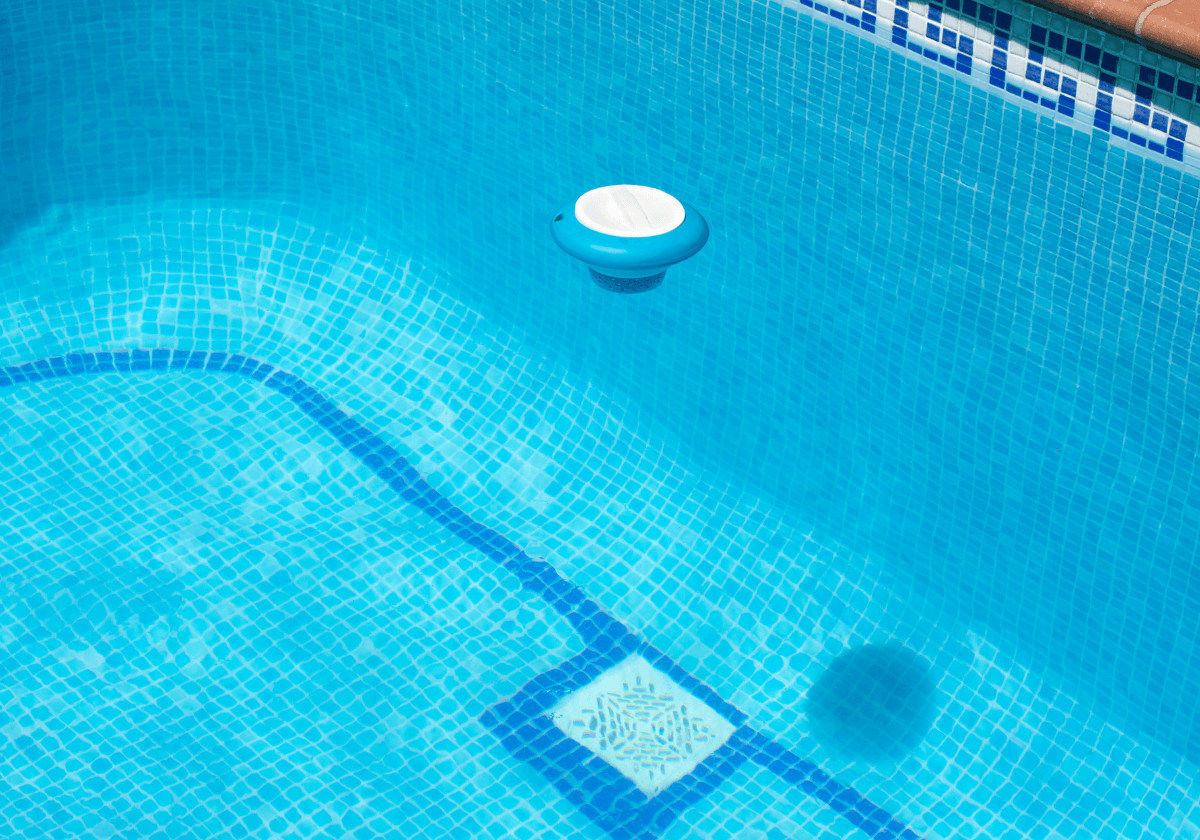
This is definitely not a clever idea for preventing acne from growing because, although chlorine kills bacteria, it also destroys both beneficial and harmful bacteria in the skin’s biome, upsets the bacterial balance of the skin, depletes the skin of its natural oils, and causes dryness and peeling, which can further stimulate acne growth.
Underwater sports are popular among a lot of people when summer arrives. Secondly, chlorine is frequently used in swimming pools. If you swim frequently, you will unavoidably be exposed to chlorine for extended periods. This can result in rashes, a form of dermatitis marked by red, itchy skin that is caused by chlorine irritation of the skin and can exacerbate acne, especially for acne prone skin.
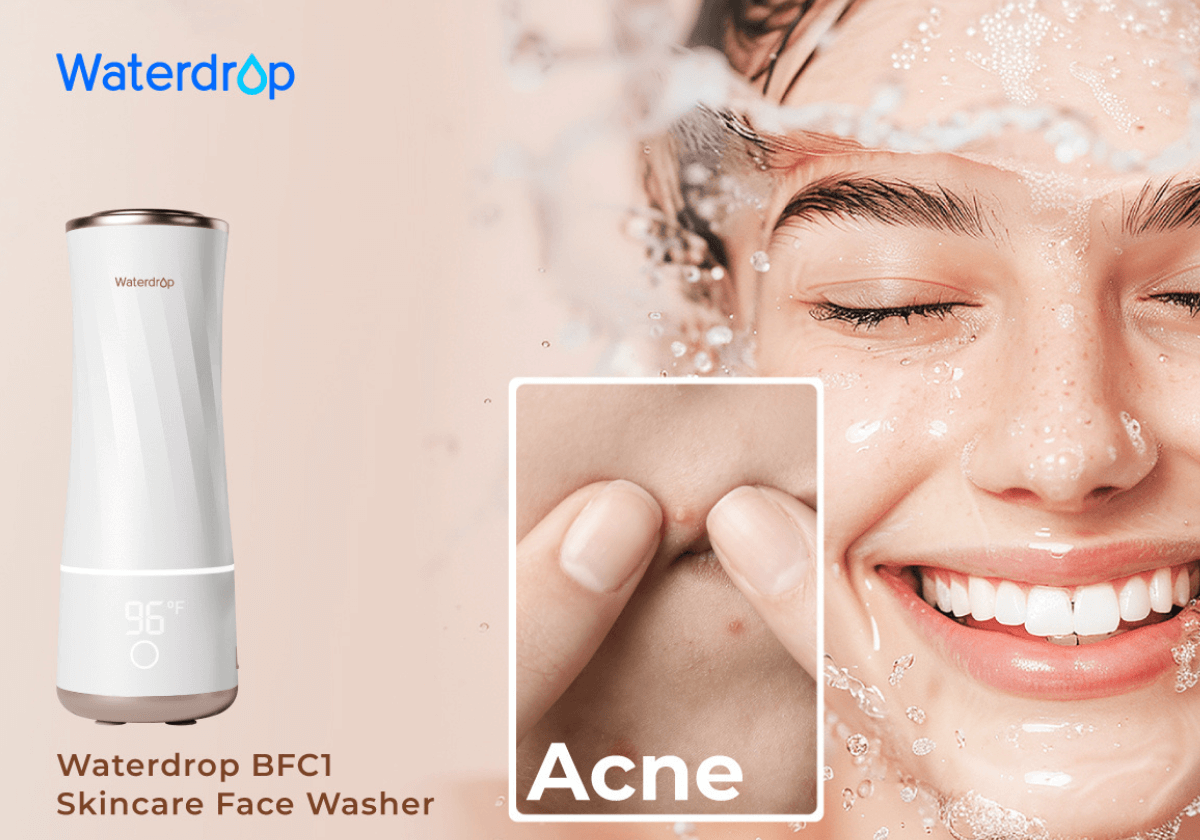
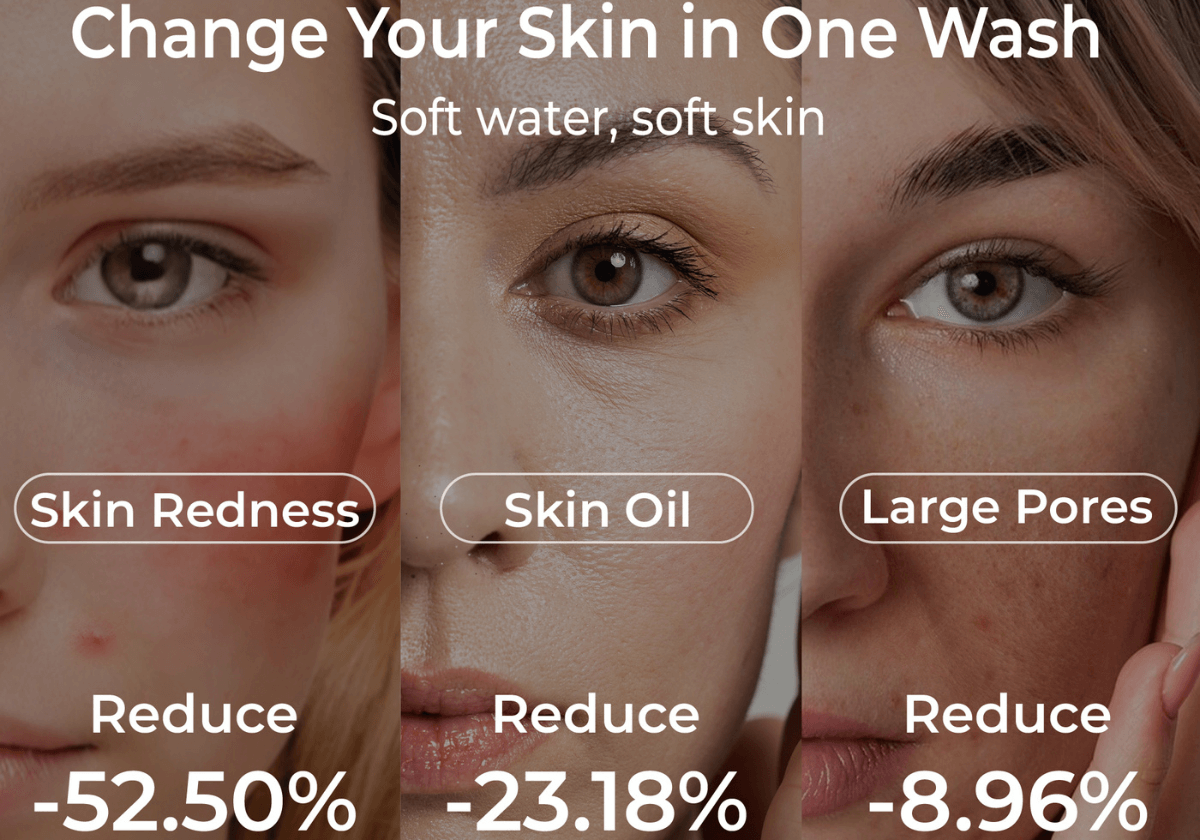
In fact, the best best face wash for acne is still water, except that it needs to be clean and unpolluted to ensure that it doesn’t cause irritation or damage to your skin. The Waterdrop skincare faucet water filter is the best choice, as it filters the water from the faucet through advanced filtration technology and then produces pure water for people to use. It is able to bring deep hydration to your skin during every wash you do while cleansing the dirt from your pores. Once you use it, you will realize that it is not only effective for acne prone skin, but it also improves enlarged pores and redness of the skin, leaving it glowing and beautiful.
It goes without saying that prolonged exposure to chlorine-containing water can harm your skin. If you have sensitive skin, you should take extra precautions to lessen the harm that chlorine can do. To begin, it is recommended that you wash your skin with pure water both before and after swimming. This will not only help remove the chlorine from your skin, but it will also help to keep your skin hydrated and prevent it from drying out. Second, it is crucial to maintain proper hydration. You can do this by drinking filtered water, which is also beneficial to the health of your skin.
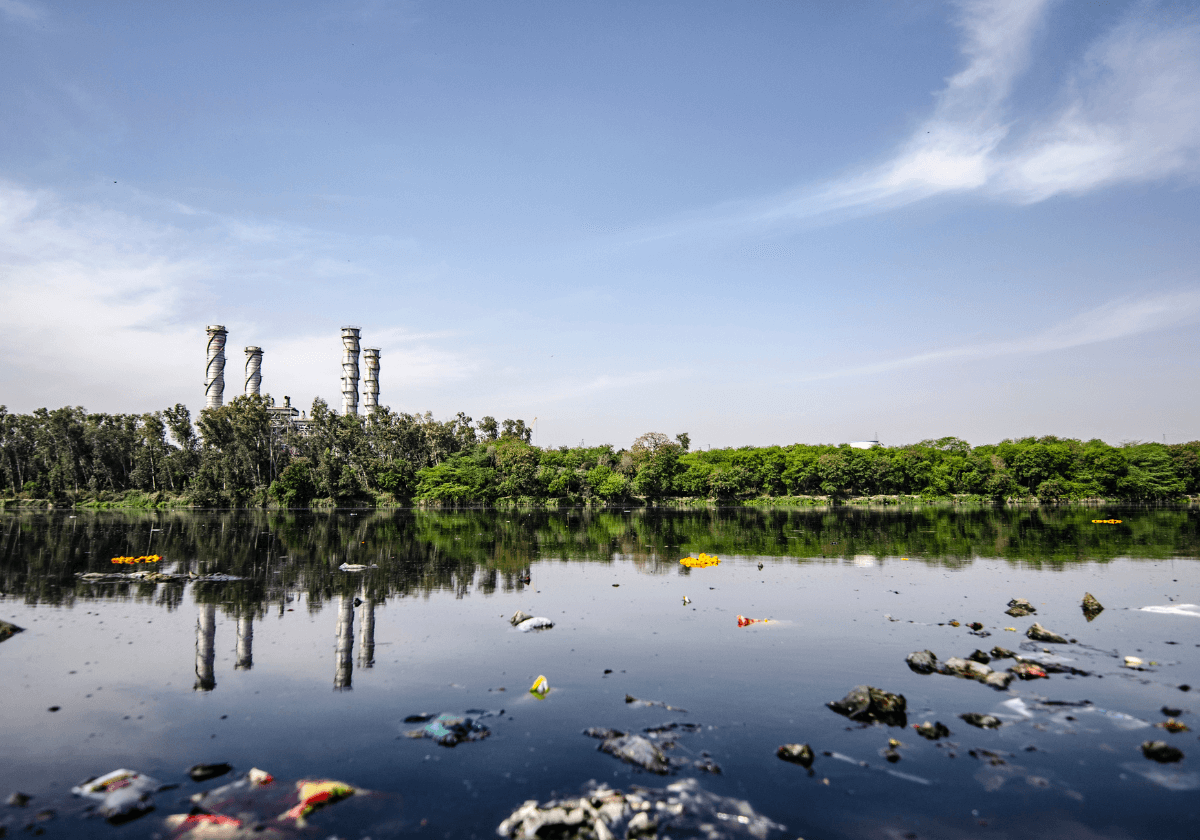
Hard water can worsen acne because of its high mineral content, which can leave residue on the skin and clog pores. This irritation can cause the skin to become dry and clogged hair follicles. Additionally, it might have an impact on the skin’s pH balance and be challenging to clean with soap or detergents, which could aggravate the skin even more and worsen acne conditions. Lastly, free radical damage is a potential consequence of the minerals in hard water, which can accelerate the aging process and loss of collagen in the skin.
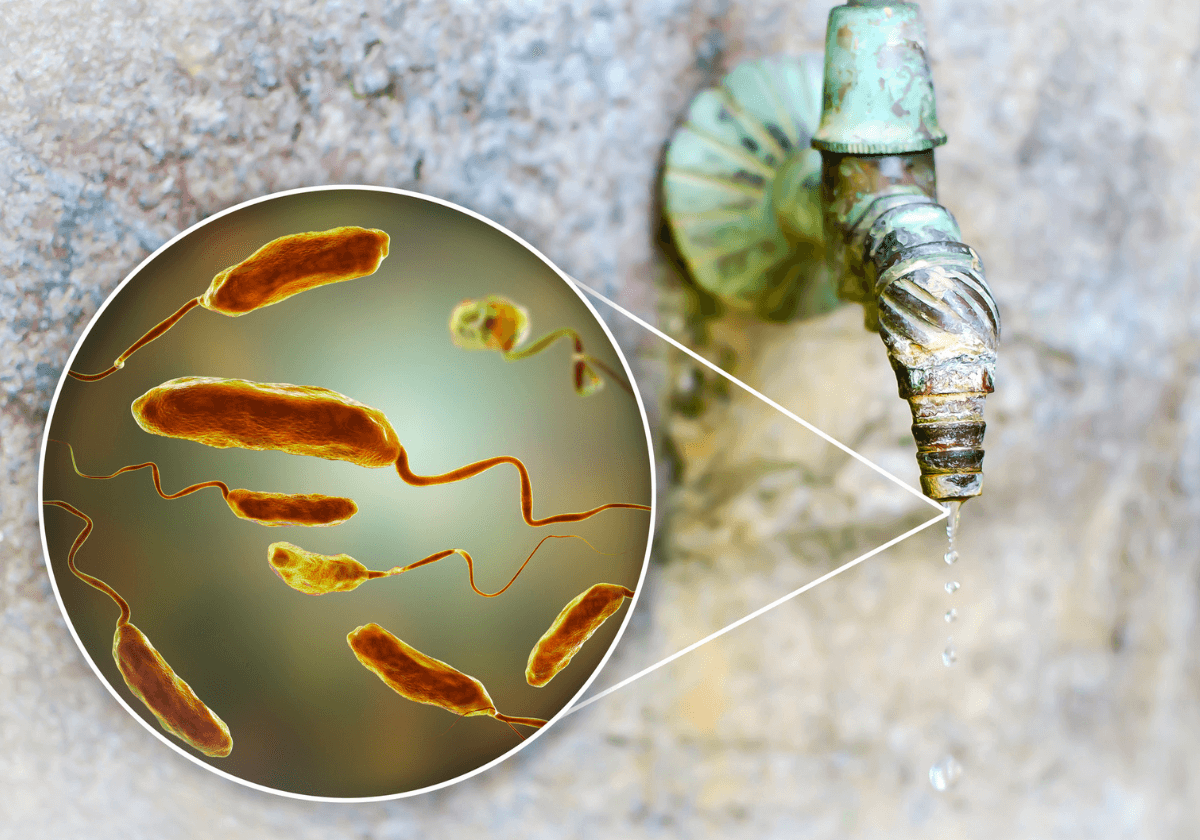
There is mounting evidence that the quality of tap water has a significant impact on skin conditions, including acne. Although tap water generally satisfies safety requirements, sensitive skin may be impacted by its mineral content, chlorine content, and pH balance. Here is how to lessen the possibility of negative reactions:
The installation of a skincare filter is the first step. By removing impurities and softening hard tap water, the skincare water filter lessens the negative effects of the water on the skin. Use a water filter that removes materials that could alter the chemical composition of the water in your area.
Though tap water can be alkaline, the skin’s natural pH is slightly acidic. This can eventually throw off the pH balance of the skin and erode its defenses against allergens and bacteria. Thus, utilizing a skincare water filter with a pH balance can aid in reestablishing equilibrium.
Certain cleansers contain harsh chemicals that, when combined with elements of tap water, can aggravate irritation. Selecting mild, non-comedogenic cleansers is necessary to prevent stripping the skin of its natural oils.
Chlorine is added to tap water to kill harmful bacteria, but it can also cause skin irritation or over-dryness. The residue of chlorine that is left on the skin can be neutralized by using specialized skin-care items that contain ascorbic acid, also known as vitamin C or sodium ascorbate.
In fact, the best moisturizer for your skin is to use pure water, the Waterdrop skincare water filter that helps the skin form a natural protective barrier and protects it from the harsh substances found in tap water. Not only does it effectively clean your pores, but it also gives your skin plenty of moisture so that acne and other skin problems can be gradually alleviated.
A dermatologist can offer tailored guidance on the particulars of local tap water for people who have noticed severe damage to their skin or who are worried about the connection between acne and tap water.
No account yet?
Create an Account
 E-Bike
 Urtopia
 Yadea
Yadea E-Scooter
 Phantom
 Pet Appliances
 Homerunpet


