


However, too much of some minerals can cause problems, such as hard water and the accumulation of scale in pipes and appliances. Finding the ideal balance is essential to providing water that is both safe and palatable and meets the different requirements of various communities.
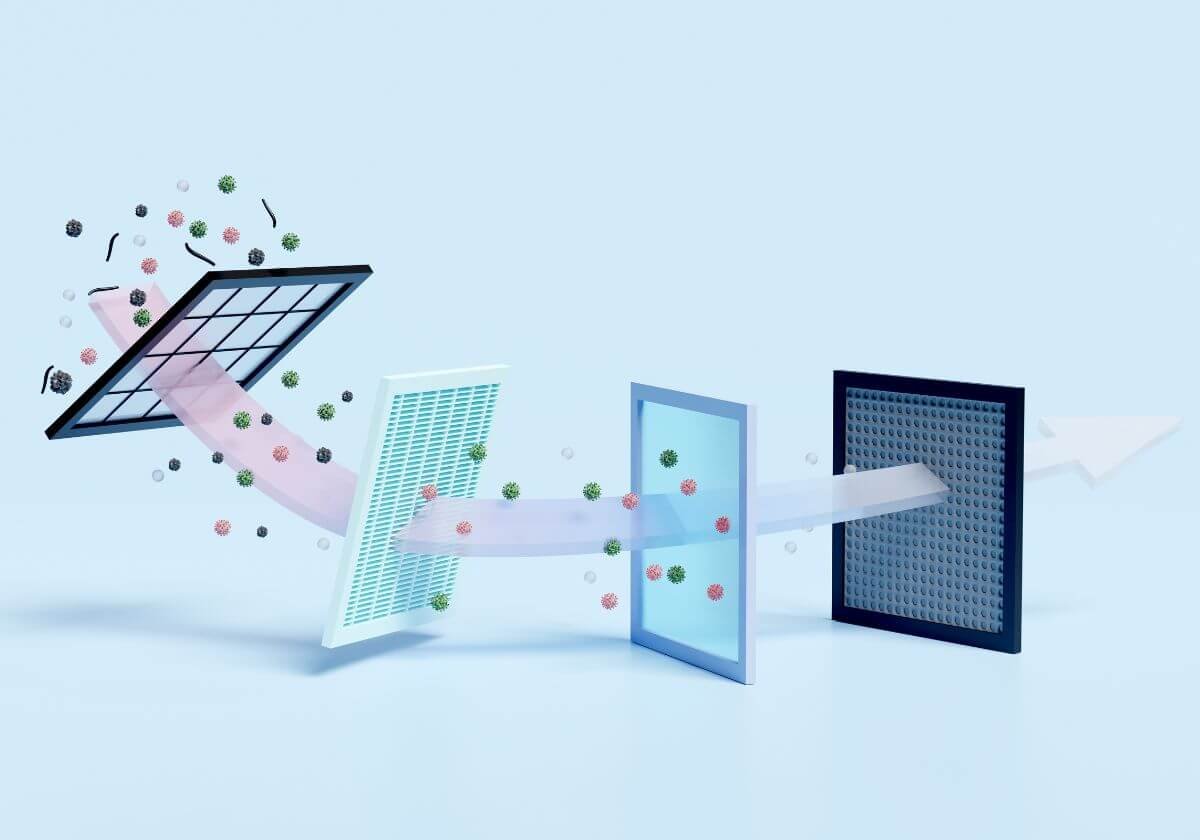
An essential first step in guaranteeing the security and caliber of drinking water is water treatment. It entails several procedures meant to rid water of pollutants and impurities and make it fit for human consumption. Filtration, chlorination, reverse osmosis and UV treatment are common methods of treating water; each has a distinct function in cleaning the water and guaranteeing its safety for human consumption.

These suggestions may be useful if you’re worried about the purity of the drinking water in your household:
An estimated one in three homes in America have a water filtration system. In addition to improving the taste of your water, these systems can remove some dangerous chemicals. Viruses and bacteria are not eliminated by filters. Various kinds of water filters are available, such as whole-house systems, countertop models, and reverse osmosis systems.
A once-a-year water test is advisable, even if your local water provider issues a clean report. It is not the public water supply that can contain lead or other contaminants; rather, it is the pipes within your home that could leak. Kits for testing your water can be purchased online or at your neighborhood hardware store.
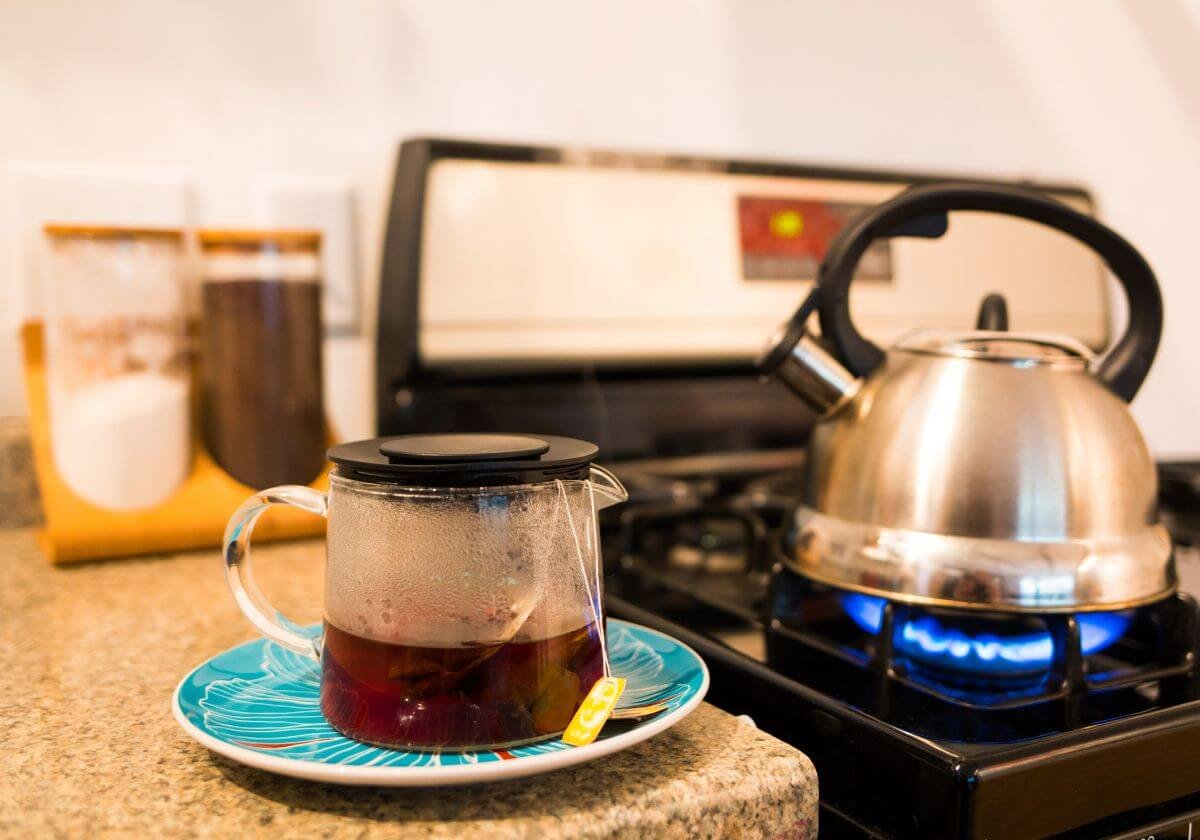
Boiling water for at least one minute is necessary to eradicate bacteria and germs. Allow the water to cool down before using. Unfortunately, lead and other harmful substances cannot be eliminated by boiling.
To remove impurities from the pipes, run water through your faucets for three to five minutes each morning. You can gather this water to use for cleaning or for your plants. If you reside in a home with water pipes installed in the 1990s or later, this is unnecessary.
No account yet?
Create an Account
 E-Bike
 Urtopia
 Yadea
Yadea E-Scooter
 Phantom
 Pet Appliances
 Homerunpet


